Los beneficios para la salud de viajar a Marruecos

The Health Benefits of Traveling to Morocco

Morocco is a country located in North Africa that offers travelers a rich and diverse cultural experience. In addition to its cultural attractions, Morocco also provides many health benefits that make it an ideal destination for those seeking to improve their well-being. In this blog, we’ll explore the health benefits of traveling to Morocco and why it’s worth considering as your next travel destination.


The Climate

Morocco is known for its sunny and warm climate, which can be beneficial for those suffering from seasonal affective disorder or other conditions affected by sunlight. Moreover, the dry climate can be helpful for people with respiratory problems, such as asthma.


The Food

Moroccan cuisine is famous for its healthy ingredients and rich flavors. Traditional dishes like tagine and couscous are made with fresh vegetables and lean proteins, making them an excellent choice for people seeking healthy meals. Moroccan spices such as cumin and turmeric are also known for their anti-inflammatory properties, which can benefit people with conditions like arthritis.


The Culture

Moroccan culture emphasizes hospitality and social connection, which can positively affect mental health. When traveling to Morocco, visitors are often welcomed into local homes and invited to share meals with families, creating a sense of community and belonging.


The Hammam

The hammam, or traditional Moroccan bathhouse, is a unique cultural experience that offers numerous health benefits. Hammams typically involve a series of cleansing and exfoliating treatments, such as steam baths, black soap applications, and body scrubs. These rituals help detoxify the skin, improve circulation, and promote relaxation.


Outdoor Activities

Morocco offers a variety of outdoor activities, such as hiking, camel rides, and surfing. Spending time in nature has been shown to provide numerous health benefits, including stress reduction, mood improvement, and a stronger immune system.


Spa Treatments

In addition to the hammam, Morocco also offers a wide range of spa treatments that can positively impact health and well-being. Many Moroccan spas use natural ingredients such as argan oil and rose water, known for their hydrating and anti-aging properties.


Relaxation

Morocco is a country that values relaxation and taking things at a slower pace. From bustling medinas to peaceful riads, there are plenty of opportunities to unwind and de-stress. Taking a break from the fast pace of everyday life can help reduce stress levels and improve mental health.


Conclusion

Morocco is a travel destination that offers a wide range of health benefits. From its warm climate to its healthy cuisine, there are many reasons to consider visiting this unique and vibrant country. So why not add Morocco to your travel list and experience its many health benefits for yourself?

10 lugares increíbles para fotografiar en Marruecos

10 Incredible Places to Photograph in Morocco

Morocco is a country rich in culture, history, and natural beauty. It’s no wonder that so many photographers flock here to capture its stunning landscapes and unique architecture. From the vibrant colors of Marrakech to the serenity of the Sahara Desert, Morocco offers endless opportunities for breathtaking photography. In this guide, we’ll explore 10 incredible places to photograph in Morocco that you won’t want to miss.


1. Djemaa el-Fna Square, Marrakech

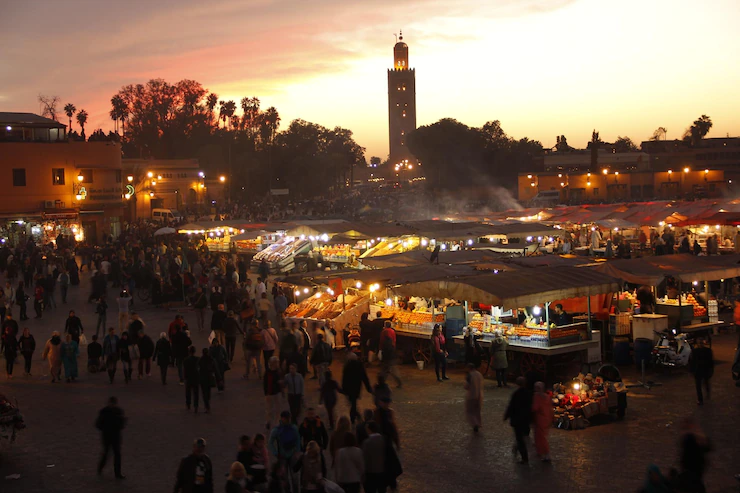
Djemaa el-Fna is the main square of Marrakech and one of the liveliest places in Morocco. It’s a hub of activity — with street performers, food vendors, and snake charmers competing for attention. The atmosphere is electric, filled with vivid colors and sounds unlike anything you’ve experienced before. As a photographer, you’ll love capturing the energy and chaos of this incredible place.


2. Bahia Palace, Marrakech

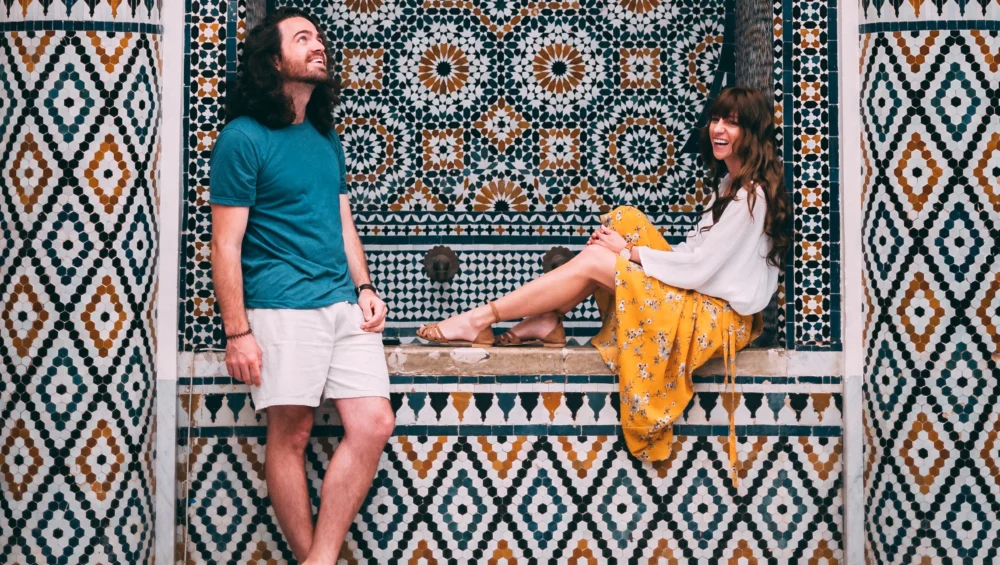
Built in the 19th century, Bahia Palace is a stunning example of Moroccan architecture. The palace features intricate tilework, colorful mosaics, and beautifully carved wooden ceilings. The gardens, with their orange trees, cypress trees, and fountains, are equally photogenic. Photographers will adore the contrast between the vibrant colors and the earthy tones of the palace walls.


3. Chefchaouen – The Blue City

Nestled in the Rif Mountains, Chefchaouen is a small town famous for its blue-painted buildings. Its walls, doors, and shutters are all shades of blue, giving the town a surreal, dreamlike quality. The narrow streets and alleys are perfect for capturing intimate portraits and atmospheric street scenes.


4. Hassan II Mosque, Casablanca

One of the largest mosques in the world, the Hassan II Mosque is a masterpiece of modern Islamic architecture. It features intricate mosaics, marble floors, and a towering minaret visible for miles. Photographers will love the play of light and shadow across its walls, especially at sunset.


5. Aït Benhaddou, Ouarzazate

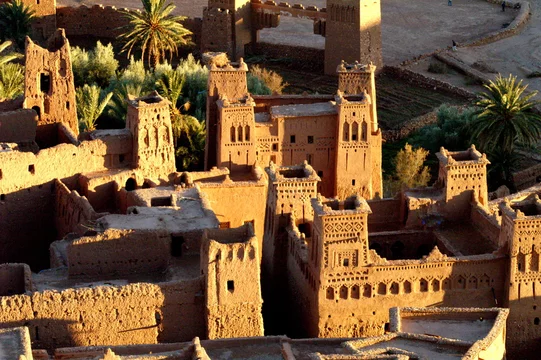
A UNESCO World Heritage site, Aït Benhaddou has served as a filming location for many Hollywood movies, including Gladiator and Lawrence of Arabia. The fortified village is made up of traditional clay houses and narrow alleys. The dramatic desert landscape and the distant Atlas Mountains make it a dream spot for photographers.


6. Todra Gorge, Tinghir

Located in the High Atlas Mountains, Todra Gorge is a narrow canyon popular among hikers and climbers. The canyon walls are made of red rock, and a small river runs through it, creating pools and waterfalls. The changing light on the canyon walls during the golden hour offers photographers incredible photo opportunities.


7. Erg Chebbi, Merzouga

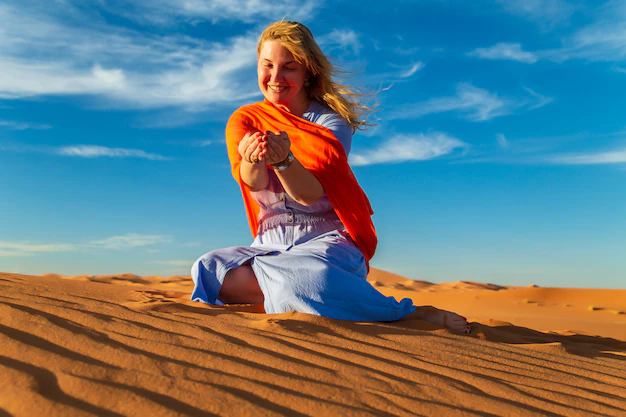
Erg Chebbi is a massive sand dune in the Sahara Desert, reaching heights of over 500 feet and stretching for miles. It’s one of Morocco’s most iconic desert scenes. Photographers will love capturing the shifting light and shadows across the dunes — especially at sunrise and sunset.


8. Essaouira

Located on the Atlantic coast, Essaouira is a picturesque seaside town famous for its whitewashed walls, blue shutters, and colorful fishing boats. Its medina is a UNESCO World Heritage site, and its beach is a hotspot for windsurfers and kitesurfers. The golden light reflecting off the city walls at sunset creates a truly magical scene for photographers.


9. Volubilis, near Meknes

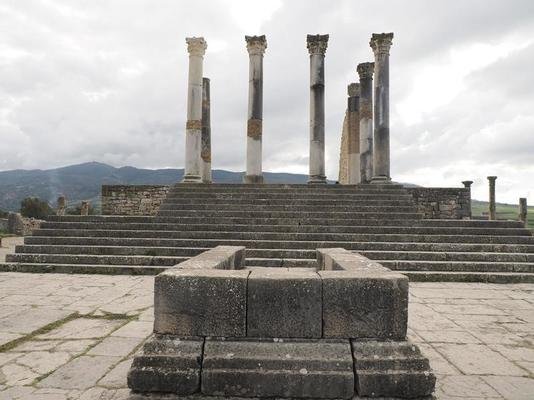
Volubilis is an ancient Roman city near Meknes, founded in the 3rd century BC. Once a major trading center, it now stands as a well-preserved archaeological site. Photographers can capture its mosaics, columns, and arches that offer a glimpse into Roman life in North Africa.


10. The Atlas Mountains

Stretching over 2,500 kilometers across Morocco, Algeria, and Tunisia, the Atlas Mountains are home to diverse wildlife and breathtaking scenery. The light changes dramatically throughout the day, making sunrise and sunset ideal for landscape photography. Whether capturing snow-capped peaks or Berber villages, the Atlas offers endless inspiration.


Conclusion

Morocco is a photographer’s paradise. From the vibrant colors of Marrakech to the dramatic landscapes of the Sahara Desert, the country offers countless opportunities for stunning images. Whether you’re a professional or an enthusiastic traveler with a camera, Morocco promises unforgettable photography experiences.
So pack your gear — and get ready for a once-in-a-lifetime photo adventure through Morocco!

10 Reasons to Visit Morocco in 2025

10 Reasons to Visit Morocco in 2025

Morocco is a country of contrasts, with its diverse landscapes, rich culture, and fascinating history. It is a country that has been attracting visitors for decades, and it’s easy to see why. From the bustling cities of Marrakech and Casablanca to the stunning beaches of Essaouira and the Sahara Desert, Morocco has something to offer everyone. If you’re considering traveling in 2023, here are 10 reasons why you should consider visiting Morocco.

Rich History and Culture Morocco has a rich history and culture influenced by its Arab, Berber, and French heritage. The country has a unique blend of architecture, art, and traditions that is unlike anywhere else in the world. From the ancient Roman ruins of Volubilis to the intricate mosaics of the Hassan II Mosque in Casablanca, there is no shortage of cultural and historical sites to explore.

Delicious Cuisine Moroccan cuisine is a delicious fusion of Arab, Berber, and Mediterranean influences. The country is famous for its tagines, slow-cooked stews served with bread or couscous. Other popular dishes include harira, a hearty soup made with lentils and chickpeas, and pastilla, a sweet and savory pie filled with chicken and almonds. If you’re a food lover, you won’t be disappointed by the variety of dishes and flavors available in Morocco.

Beautiful Beaches Morocco has a stunning coastline dotted with beautiful beaches. From the popular resort town of Agadir to the charming fishing village of Essaouira, there are plenty of places to relax and soak up the sun. The beaches are also a great place to try out water sports like surfing, windsurfing, and kitesurfing.

Vibrant Markets The markets in Morocco, known as souks, are a feast for the senses. They are filled with colorful textiles, spices, jewelry, and pottery. The markets are also a great place to bargain and interact with the locals. The markets in Marrakech and Fez are particularly famous for their lively atmosphere.

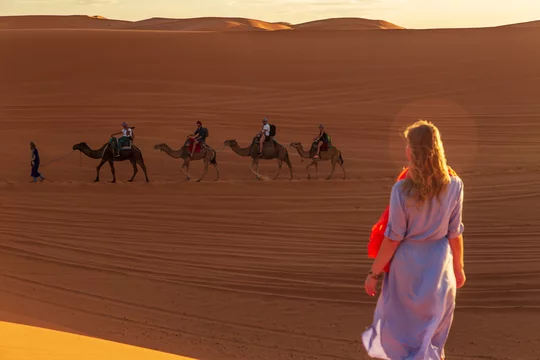
Sahara Desert The Sahara Desert is one of the world’s most iconic landscapes, and Morocco offers a unique opportunity to experience it. Visitors can take a camel ride through the desert, spend the night in a traditional Berber camp, and watch the sunrise over the dunes. It is an unforgettable experience that shouldn’t be missed.

Friendly People Moroccans are known for their hospitality and friendliness towards visitors. They are eager to share their culture and traditions with visitors and are always willing to help. This makes traveling in Morocco a welcoming and enjoyable experience.

Unique Accommodations Morocco is home to a variety of unique accommodations that reflect its cultural heritage. From riads, traditional Moroccan houses with an interior courtyard, to kasbahs, fortified houses converted into guesthouses, there are many interesting places to stay. Some of the more luxurious options include boutique hotels, which are designed like traditional palaces.

High Atlas Mountains The High Atlas Mountains offer some of the most beautiful and rugged scenery in Morocco. The mountains are home to a variety of hiking trails that take visitors through Berber villages, past waterfalls, and over mountain passes. The scenery is breathtaking, and it’s a great way to experience the natural beauty of the country.

Festivals and Celebrations Morocco has a rich tradition of festivals and celebrations that take place throughout the year. Some of the most famous include the Fez Festival of World Sacred Music, the Marrakech International Film Festival, and the Moussem of Moulay Idriss, a religious festival that honors the patron saint of Morocco. These events offer a unique opportunity to experience Moroccan culture and traditions in a festive and lively atmosphere.

Affordable Travel Compared to many other tourist destinations, Morocco offers a relatively affordable travel experience. Accommodation, food, and transport are reasonably priced, so visitors can get great value for their money. This makes Morocco a great option for budget-conscious travelers or those looking to get the most out of their travel budget.

In conclusion, Morocco has something to offer everyone, from history and culture to natural beauty and adventure. It is a country that is easy to fall in love with and one that is sure to leave a lasting impression. With so much to see and do, 2023 is the perfect time to plan your visit to this fascinating country.

El mejor itinerario por Marruecos para quienes visitan el país por primera vez

Morocco Ultimate Itinerary for First-Time Visitors

Morocco is a country with a rich culture, stunning natural landscapes, and vibrant cities. It is an incredible destination for first-time visitors who want to explore the best it has to offer. With so many sights and experiences to choose from, planning a trip to Morocco can feel overwhelming. To make the process easier for you, here is the ultimate Morocco itinerary for first-time visitors.

Day 1-2: Marrakech

Begin your trip in Marrakech, one of Morocco’s most famous cities. Dedicate the first day to exploring the medina, a UNESCO World Heritage site filled with narrow alleyways, markets, and historical buildings. Be sure to visit the Koutoubia Mosque, the Bahia Palace, and the Saadian Tombs. In the evening, head to the Djemaa el-Fnaa square, where you will find street performers, food stalls, and traditional music.

On your second day in Marrakech, take a day trip to the Atlas Mountains range, which is a short distance from the city. Visit the village of Imlil, where you can go on a guided hike through the mountains, enjoy a traditional Berber lunch, and learn about the local culture and traditions.

Day 3-4: Essaouira

Next, head to Essaouira, a charming coastal city known for its whitewashed buildings, fresh seafood, and relaxed atmosphere. Spend the first day exploring the medina, which is surrounded by ramparts and filled with art galleries, cafes, and boutiques. You can also visit the beach and try your hand at windsurfing or kitesurfing.

On your second day in Essaouira, take a trip to the nearby village of Sidi Kaouki, where you can relax on the beach, go horseback riding, or trek through the sand dunes. You can also visit a local argan oil cooperative and learn about how this famous Moroccan product is made.

Day 5-6: Fez

Next, head to Fez, one of Morocco’s most historic cities. Dedicate the first day to exploring the medina, which is the largest in the world and filled with winding alleyways, historical buildings, and markets. Be sure to visit the Bou Inania Madrasa, the Al-Attarine Madrasa, and the Zaouia of Moulay Idriss II.

On your second day in Fez, take a day trip to the nearby Roman ruins of Volubilis, some of the best-preserved in North Africa. You can also visit the nearby holy city of Moulay Idriss, an important pilgrimage site for Muslims.

Day 7-8: Chefchaouen

End your trip in Chefchaouen, a picturesque mountain town famous for its blue-painted buildings and relaxed atmosphere. Dedicate the first day to exploring the medina, where you will find winding streets, artisan shops, and stunning views of the surrounding mountains.

On your second day in Chefchaouen, go for a hike in the nearby Talassemtane National Park, where you will find waterfalls, rivers, and stunning natural beauty. You can also visit the nearby Spanish Mosque, which offers breathtaking views of the city and the surrounding countryside.

In conclusion, this ultimate Morocco itinerary offers a great blend of history, culture, nature, and relaxation. Whether you are interested in exploring cities, hiking in the mountains, or relaxing on the beach, Morocco has something to offer everyone.

Cosas que hacer en Marrakech,

Travel to Morocco: What to Do in Marrakech, Morocco: 3-Day Guide

Marrakech is a city in Morocco that offers a truly unforgettable sensory experience. With its rich history and diverse cultural influences, Marrakech boasts a unique, vibrant blend of colors, flavors, scents, sounds, and sights. While the city is famous for its markets and shopping in the Medina, or Old City, there is so much more to explore. After enjoying the fascinating mix of European, Middle Eastern, and African cultures, you can venture outside the city for breathtaking mountain and desert scenery.

Day 1: Medinas and Markets

In Marrakech, all the action takes place in the Medina, which is the oldest, most historic part of the city, surrounded by walls. Take a day to completely immerse yourself in the bustling atmosphere and be captivated by the sights, sounds, and aromas of this fascinating area. Wander through the labyrinth of narrow alleys, bustling souks, and lively squares. It will undoubtedly be a unique and unforgettable experience.

  1. Wander Through the Medina The Marrakech Medina is not only a walled city, but also the oldest part of the city. To fully immerse yourself in its rich cultural heritage, dedicate a day to exploring its narrow, winding streets, which will transport you back in time. Forget the map and let the excitement guide you, but be prepared to navigate around donkeys and carts. The walls and buildings of the Medina are a kaleidoscope of colors, the air is filled with the scent of food and spices, and the locals are friendly and welcoming. What sets the Medina apart is the haunting call to prayer that echoes through the streets from the area’s many mosques. To truly experience the magic of this sound, visit one of the many rooftop cafes for breathtaking views and sounds of the city.

  2. Jemaa El Fnaa The nerve center of the Medina is the world-famous Jemaa el Fnaa square, where the energy and excitement are palpable. Enjoy the sensation of warmth radiating from the stone ground as you make your way through snake charmers, street performers, and food stalls selling freshly squeezed juices. As the sun sets, the square transforms into a lively night-time destination with musical performances, dancers, and artists showcasing their talents under the sparkling lights of the stalls. This stunning display of Moroccan culture is a must-see for anyone visiting Marrakech. It is important to note that pickpockets may be operating in the area, so it is advisable to keep your belongings close and be cautious.

  3. Explore the Souks The souks of Marrakech are an authentic representation of the city’s soul. A maze of markets awaits just a stone’s throw from the bustling Jemaa el Fnaa square. Take a stroll through the covered markets and the seemingly endless network of alleyways, and allow yourself to be completely immersed in the beauty and chaos of the souk experience. Get lost among the vendors, colors, and scents, and discover the true essence of Marrakech. In Marrakech, the souks embody the very soul of the city. As you move away from the main square, you will enter a labyrinth of colorful markets, where textiles, spices, leather goods, and bright lanterns come together to create an unforgettable sensory experience. As you explore the souks, be sure to visit two of the main markets: Souk Semmarine, located near Jemaa el Fnaa, and the traditional spice souk, called Souk Place des Epices. Remember that bargaining is a cultural norm in Morocco, so be prepared to haggle for the best prices. Be aware that shopkeepers may try to convince you to buy their products, but simply say “no” politely and continue on your way. If you are concerned about getting lost in the labyrinthine markets, consider hiring an accredited guide to accompany you.

  4. Find the Best Places to Eat and Drink Marrakech is known for its vibrant culinary scene, offering both traditional Moroccan cuisine and fusion dishes. The city has a wide selection of restaurants specializing in delicious tagine and couscous dishes. Our top recommendation for a dining experience in Marrakech is Café Atay. Another standout restaurant is Café Clock, which offers a fusion of flavors and is also highly recommended. Marrakech is famous for its unique architectural style, characterized by flat-roofed buildings. This feature makes it possible for visitors to enjoy stunning views of the city from rooftop cafes. For the quintessential Marrakech experience, head to a rooftop cafe overlooking Jemaa el Fnaa and savor a cup of traditional mint tea. Another must-see destination for panoramic views is the Maison de la Photographie, which features the highest bar in the medina. It is important to note that Marrakech is an Islamic city, and as such, alcohol is restricted. Most bars and restaurants in the city do not serve alcohol, so it is advisable to research and find bars and restaurants that do offer it. If you prefer to avoid alcohol, you can still enjoy Marrakech, explore its rich culture and history, and delight in its delicious cuisine.

Day 2: Incredible Architecture

If you prefer to avoid alcohol, you can still enjoy Marrakech, explore its rich culture and history, and delight in its delicious cuisine. Stroll through its streets and admire the traditional Moroccan designs, characterized by intricate arches and beautifully crafted blue tiles. These buildings showcase the city’s rich cultural heritage and offer a glimpse into its past. In addition to traditional architecture, Marrakech also boasts buildings and museums with more innovative design. These structures showcase a more contemporary aesthetic, incorporating modern materials and artistic elements. By exploring Marrakech’s traditional and innovative buildings, you will gain a deeper understanding of the city’s rich history and dynamic cultural landscape. So hop between these beautiful buildings and immerse yourself in Marrakech’s vibrant and rich architecture.

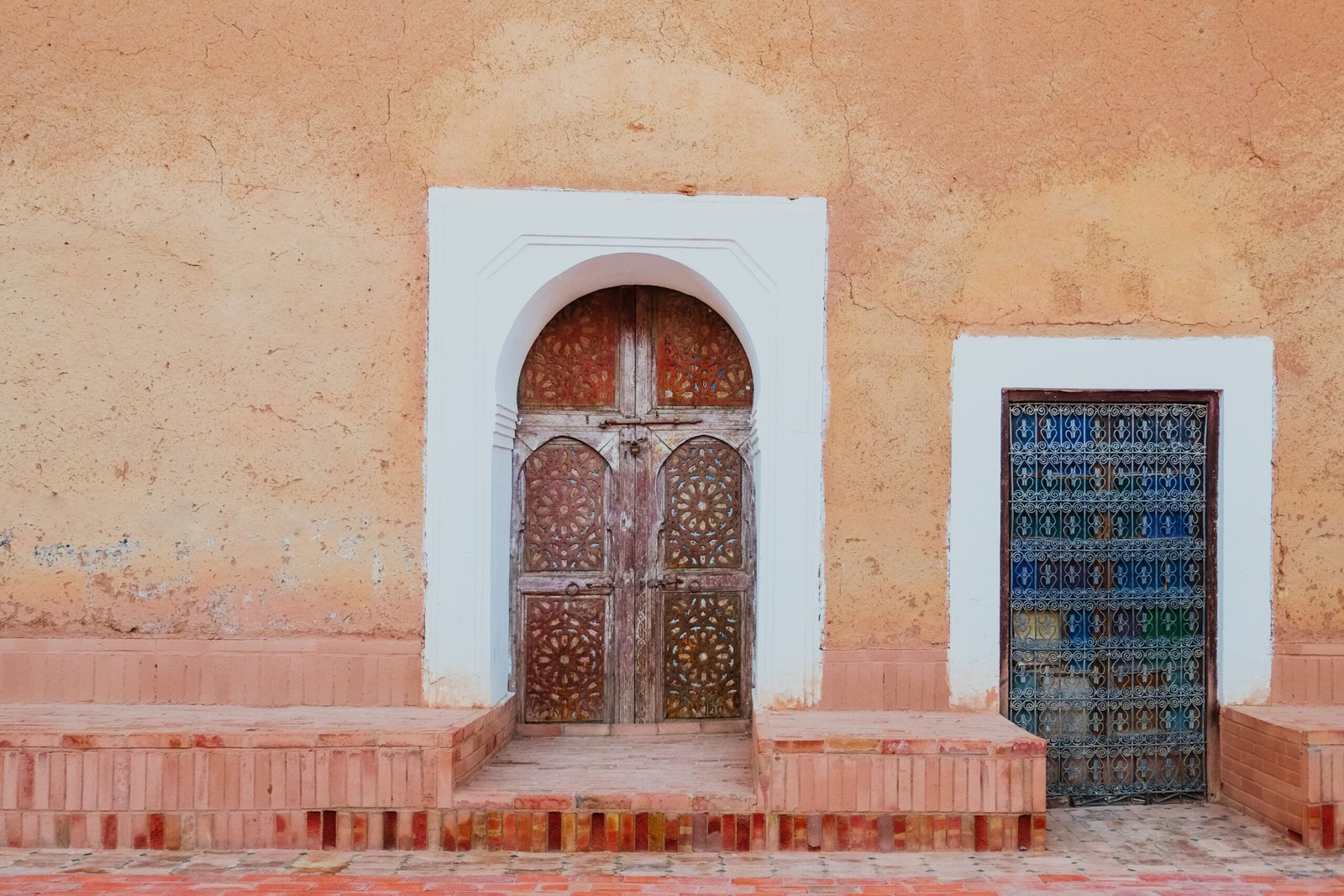
  1. Stay in a Traditional Riad Staying in a traditional Moroccan riad is the best way to experience the intricate details of the country’s architecture. On the exterior, riads are often a simple sandy color with basic architectural elements. However, as soon as you step inside, you will feel transported to a different world. You will be greeted by an array of magnificent colorful tiles, intricate designs, and lush greenery, all centered around a tranquil pool that exudes a serene atmosphere. The interior of a riad truly embodies the essence of Moroccan design, and staying in one provides a peaceful escape from the hustle and bustle of the city. You can relax in an oasis of tranquility and contemplate the stunning beauty of the architecture, surrounded by the soothing sounds of the riad’s peaceful atmosphere. To fully immerse yourself in the traditional Moroccan experience, consider staying in a riad during your visit to Marrakech. The photo link below offers a glimpse into the enchanting world of these traditional guesthouses.

  2. Majorelle Garden Marrakech is home to numerous tourist attractions, but one that truly stands out is the vibrant blue house. This magnificent structure is a must-see for anyone visiting the city, and is widely regarded as one of the most popular attractions in the area. The stunning house and lush botanical gardens were originally created by Jacques Majorelle, famous for inventing a distinctive dark blue shade called “Majorelle blue.” The property was later acquired by Yves St Laurent, who restored the house and gardens to their former splendor. Today, visitors can admire the stunning beauty of the property, which looks like a tropical oasis with its diverse range of green plants from around the world, set against the backdrop of the house’s vibrant blues and yellows. Visitors must purchase a ticket to access the gardens and museum. Entrance to the garden costs 70 Dhs (about $7), while museum entrance costs 30 Dhs (about $3). The house and gardens are open from 8:00 am to 5:30 pm every day, with extended hours from 8:00 am to 6:00 pm during the summer months. To avoid crowds and get the best possible photos, it is recommended to arrive as early as possible.

  3. Ben Youssef Madrasa Discover a world of intricate designs and symmetrical beauty at the Ben Youssef Madrasa, a former Islamic school located near the Marrakech medina. This impressive building was once the largest Islamic college in Morocco, and today serves as a testament to the country’s rich cultural heritage and architectural prowess. As you explore the madrasa, you will be mesmerized by the astonishing symmetry and intricate mosaics that adorn its walls and ceilings. A highlight of the madrasa is the impressive interior courtyard, which centers around a tranquil pool and showcases the best of Moroccan architecture. Dedicate approximately one hour to admire the beauty of the madrasa and absorb the rich cultural history it holds. Whether you are an admirer of Islamic architecture or simply seeking an enriching cultural experience, the Ben Youssef Madrasa is a must-see during your stay in Marrakech.

  4. Bahia Palace The Bahia Palace is a magnificent 19th-century palace located in Marrakech, Morocco. It boasts an impressive 150 rooms and was built by the Sultan’s grand vizier with the intention of becoming the greatest palace of all time. As you stroll through the palace, you will be transported back in time as you admire the traditional Moroccan architecture that abounds there. The courtyards are filled with lush orange trees and shimmering fountains, while the stained glass windows and intricate tilework bear witness to the attention to detail and craftsmanship that went into the palace’s construction. If you are a history lover, an architecture enthusiast, or simply looking for a unique cultural experience, a visit to the Bahia Palace is a must. Discover this extraordinary palace for yourself and immerse yourself in Morocco’s rich cultural heritage.

Day 3: Outside Marrakech

The natural beauty of Morocco is easily accessible from the bustling city of Marrakech. After exploring the city’s rich culture and dynamic atmosphere, consider taking a day trip to experience the rural countryside, majestic mountain ranges, or the scorching heat of the Sahara Desert. These trips offer a unique opportunity to escape the city and immerse yourself in Morocco’s stunning natural beauty.

  1. Atlas Mountains Day Trip Enjoy the breathtaking beauty of the Atlas Mountains with a day trip from Marrakech. Just an hour or two drive away, most excursions offer round-trip transportation to the city and take you through picturesque valleys and authentic Berber villages. It is an ideal way to see Morocco’s stunning natural landscape and escape to the cooler climates of the mountains. Tip: if you visit the country in winter, take the opportunity to ski in the Atlas. However, if visiting in summer, keep in mind that the temperature can drop considerably as evening approaches, so it is advisable to bring an extra layer of clothing.

  2. Aït Benhaddou A visit to Aït Benhaddou, a UNESCO World Heritage site located in the Atlas Mountains south of Marrakech, offers a breathtaking view of a cinematic landscape with its earthen and sand constructions dating back hundreds of years. The ancient village is exceptionally well preserved and offers visitors a glimpse into a simpler way of life. Stroll through the village, admire the picturesque mountains, and experience the tradition of having a mint tea as the sun sets over the red clay.

  3. Sahara Desert Tour A visit to Morocco would be incomplete without a trip to the magnificent Sahara Desert. Immerse yourself in the rolling dunes with an exciting jeep ride or a leisurely trek during the day. And as night falls, be captivated by the stunning experience of stargazing around a warm campfire. The trip to the Sahara, which usually lasts about 8 hours, offers the possibility of stopping at several picturesque villages and sites along the way. It is suggested to take a 2-3 day excursion to fully appreciate the beauty of the Sahara Desert.

Best Time to Visit Marrakech The optimal period to visit Marrakech is during the shoulder season, from March to May and September to November. During these months, the weather is warm and sunny, but not excessively hot. Although the winter months can also have sunny days, they are an ideal time to go if you plan to ski in the Atlas.

Getting to Marrakech and Getting Around Getting to Marrakech is easy, whether you opt for the convenience of a plane, the comfort of a bus, or the scenic beauty of a train. Marrakech has a well-connected international airport, while the roads throughout Morocco are in excellent condition, making it easy to explore other cities like Fez by train. Once in Marrakech, all popular attractions are within walking distance of each other, making it easy to get around and see the city on foot. For those who prefer to rent a car, Sunny Cars offers a hassle-free solution. With the option to cancel your reservation up to one hour before pickup and all-inclusive insurance, you can be sure that your rental experience will be smooth and stress-free. Book your rental car today and discover Morocco at your own pace.

GIRA CON NOSOTROS

Moving to Another Country: Tips for an Easy Transition​

Moving to Another Country: Tips for an Easy Transition

Moving abroad can be an exciting adventure that will leave an indelible mark on your life. This thrilling experience offers the opportunity to immerse yourself in a foreign culture, make new friends, and live a completely different lifestyle. However, before embarking on the journey, there are several practical considerations to keep in mind, such as choosing the right neighborhood to live in and finding suitable employment. To ensure your move abroad is a success, we have created a comprehensive guide covering all the essential information you need to know.

Preparing to Move Abroad If you have made the decision to relocate abroad and embark on an exciting new journey, it is important to be aware of the steps needed to prepare for this transition. To ensure a smooth transition, it is crucial that you have all the necessary information and have taken the required actions to make your move as seamless as possible. In this article, we outline the key steps you should take to begin your journey abroad.

Your Possessions and Subscriptions Possessions When relocating abroad, it is important to carefully consider the options for your possessions. You will need to decide whether to spend money on shipping your belongings to your new location, storing them in a warehouse, or selling them. If you decide to sell some of your belongings, it can be a great way to generate additional funds to help cover moving expenses, such as a rental deposit and any unexpected costs that may arise upon arrival in your new location. It is important to ensure you have saved enough money to cover these costs so you can fully enjoy your new adventure without financial stress.

Contracts and Subscriptions Cancel all contracts and subscriptions you may have that you will no longer need, such as a phone contract, household contracts, insurance that will not serve you abroad, etc.

Choosing a Country to Move to When considering moving abroad, it is important to be clear about what you are looking for in a new location. To help you narrow down your options and choose the right destination, it is helpful to ask yourself the following questions:

  • Cultural fit: Are you looking to live in a country with a culture similar to your home country, or are you open to exploring a completely new cultural experience?

  • Language learning: Is learning a new language a priority for you, or would you prefer to live in a country where you already have a command of the language?

  • Job opportunities: Will you be able to work in your chosen country and is it economically viable? Consider the cost of living in cities like London, Hong Kong, and Sydney, and whether these cities would be a good fit for your career goals.

  • Experience-focused: Are you more focused on the overall experience of moving abroad, such as immersing yourself in a new culture, or are you primarily interested in earning money? In this case, you might choose a destination like Portugal or Thailand.

When planning your move abroad, it is important to be clear about what is most important to you. By considering the questions above, you can determine your priorities and make informed decisions about your destination. Additionally, it is important to keep in mind that fully embracing the culture, language, and traditions of the new country is a key aspect of the experience of moving abroad. Researching these aspects of the country you are considering will help you better understand what to expect and ensure you are fully prepared for your new adventure.

Paperwork to Complete When Moving Abroad Once you have considered your priorities and have a clearer idea of what you are looking for in your new destination, it is time to focus on the practical aspects of moving abroad. One of the most important steps in this process is ensuring all your documentation is in order. This may include obtaining visas, securing residency permits, and making sure all your official documents are up to date and accessible. Ensuring your paperwork is in order is key to a successful move abroad and avoiding potential problems or delays during the process.

Up-to-date Passport? A crucial step in preparing for your move abroad is checking the validity of your passport. If your passport is nearing expiration or has already expired, it is important to renew it as soon as possible. In some cases, if you do not plan to return to your home country soon, it may be a good idea to obtain a new passport with a longer validity period. This will ensure you have a valid passport throughout your stay in the new country and avoid potential travel or immigration issues. Don’t forget to check the visa requirements for the country you are moving to, as each country has different entry requirements.

Make Copies of Important Documents Opening a bank account in your new country is a crucial step in preparing for your move abroad. Opening a bank account usually requires providing important documents, such as your passport or birth certificate. Before moving, research the specific requirements for opening a bank account in your chosen country and make sure you have all the necessary documents handy. It is also a good idea to make several copies of your important documents, as you may need them for other purposes as well. For example, you may need them to change your driver’s license or apply for residency. Having multiple copies of your important documents ensures you will always have access to them and reduces the risk of losing them during the moving process.

Applying for a Visa When Moving Abroad It is important to research the type of visa you will need in your new country, as this may vary depending on the activities you plan to undertake there. If you plan to work abroad, you will need a work visa. The type of work visa you will need will depend on your employment status. For example, if you are going to work for a local company, you may need a different type of visa than if you are self-employed or work online as a digital nomad. Visa requirements vary from country to country, so it is important to research the specific requirements of your chosen destination before moving. This will ensure you have all the necessary documentation in order and avoid potential problems with immigration or work visas. Make sure to start the visa application process as soon as possible, as some visas can take several months to process. If you plan to stay in your new country for an extended period, you may need to apply for residency. The process of obtaining residency can be long, so it is important to research the requirements and gather the necessary documentation before arriving. Expat forums and Facebook groups are excellent resources for finding answers to frequently asked questions about the residency application process. For freelancers, Facebook groups focused on co-working can be a great way to connect with other freelancers in your area and gather information and support. Being part of a community of like-minded individuals can make the transition to living and working in a new country much smoother. In conclusion, researching and preparing for the necessary visa and residency applications is an important step in the process of moving abroad. Taking the time to gather information and collect the required documentation will help ensure a smooth transition to your new home.

Buying Insurance Having adequate insurance coverage is essential when moving abroad. Depending on your visa or residency status, you may not be entitled to public healthcare in your new country, making private health insurance necessary. Furthermore, it is important to have comprehensive travel insurance that covers you during the move and during any travel you do within the country. Contents insurance is also recommended to protect your belongings in case of theft, loss, or damage. In summary, it is crucial to thoroughly research and obtain the necessary insurance coverage for your move abroad, including health insurance, travel insurance, and contents insurance. Taking the time to properly insure yourself will give you peace of mind and protect you against unforeseen events.

Having a Local Bank Having a local bank account in your new country of residence can be beneficial for managing your finances while abroad. This will allow you to receive and make payments in the local currency, avoiding the high conversion fees associated with international transactions. An alternative option is to use an online money transfer service like Wise, which supports more than 50 currencies and can make managing your finances easier while living abroad. Whether you choose to open a local bank account or use an online transfer service, it is important to consider the options available to you and find the solution that best suits your needs.

Learning the Language Learning the local language can be an important part of adapting to your new home abroad. Learning the local language can be an important part of adapting to your new home abroad. To learn the language, you can enroll in language classes, participate in language exchanges, or use language learning apps like Babbel. Whether you choose to invest time in a formal learning environment or opt for more self-taught methods, the effort you put into learning the language can greatly enhance your experience of moving abroad.

Making Friends Abroad Another way to meet people and build a social network is to participate in volunteer work, join clubs or organizations, attend local festivals and events, and even take part in local excursions or tourist activities. These activities will not only help you make new friends but will also give you the opportunity to learn about the local culture and customs and get a feel for your new home. Don’t be afraid to reach out to others and make connections, as long-lasting relationships and memories could emerge from your new adventure abroad.

Setting Up Your Utilities Additionally, you can also research and compare different service providers to see which one offers the best rates and coverage. When contracting your services, it is also important to consider the duration of your stay, whether short or long-term, as this may affect the plans and contracts you can choose from. Don’t forget to factor in installation fees, deposit requirements, and other costs related to setting up utilities.

Citas de aventuras que alimentarán tu pasión por los viajes

  1. “El mundo es un libro y los que no viajan sólo leen una página”. – San Agustín

  2. “La aventura puede hacerte daño, pero la monotonía te matará”. – Desconocido

  3. “La vida o es una aventura audaz o no es nada”. – Helen Keller

  4. “Viajar es vivir”. – Hans Christian Andersen

  5. “Lo que importa es el viaje, no la llegada”. – T.S. Eliot

  6. “Viaja lejos, viaja mucho y crea recuerdos que durarán toda la vida”. – Desconocido

  7. “No todos los que vagan están perdidos”. – J.R.R. Tolkien

  8. “El propósito de la vida es vivirla, saborear al máximo la experiencia, tender la mano con avidez y sin miedo hacia experiencias nuevas y más ricas”. – Eleanor Roosevelt

  9. “Las aventuras son la mejor manera de aprender”. – Desconocido

  10. “Ve a explorar, a soñar, a descubrir”. – Mark Twain

    • “La vida o es una aventura audaz o no es nada”. – Helen Keller
    • “Viajamos para encontrarnos a nosotros mismos; y a veces nos encontramos en el bar del aeropuerto”. – Anónimo
    • “La aventura espera a quienes están dispuestos a buscarla”. – Desconocido
    • “No todos los que vagan están perdidos”. – J.R.R. Tolkien
    • “El mundo es un libro, y quien no viaja sólo lee una página”. – San Agustín
    • “The purpose of life is to live it, to savor experience to the fullest, to reach out eagerly and fearlessly for new and richer experiences.” – Eleanor Roosevelt
    • “Aprovecha todas las oportunidades que tengas en la vida, porque algunas cosas sólo pasan una vez”. – Karen Gibbs
    • “No escuches lo que dicen, ve a ver”. – Anónimo
    • “No he estado en todas partes, pero está en mi lista”. – Susan Sontag
    • “Aventura es sólo un nombre romántico para los problemas”. – Desconocido

Travel to Morocco: Discover the Enchanting Beauty of Morocco

Travel to Morocco: Discover the Enchanting Beauty of Morocco

Travel to Morocco: Discover the Enchanting Beauty of Morocco Welcome to Morocco, a land of breathtaking landscapes, vibrant culture, and unforgettable experiences. With its rich history, diverse scenery, and warm hospitality, Morocco is a dream destination for travelers seeking a unique and immersive journey. In this blog post, we’ll take you on a virtual trip through Morocco, highlighting the must-see locations, fascinating activities, and the enchanting beauty that awaits you on your Moroccan travel adventure.

Marrakech: A Vibrant Tapestry of Colors and Culture Start your Moroccan journey in Marrakech, the bustling city that captivates every sense. Explore the mesmerizing Djemaa el-Fna square, where snake charmers, street performers, and spice vendors create an intoxicating atmosphere. Get lost in the labyrinthine streets of the medina, adorned with vibrant textiles, intricate architecture, and bustling souks. Don’t miss the architectural marvel of Bahia Palace or the tranquil Majorelle Garden.

Sahara Desert: An Epic Adventure in the Golden Sands No trip to Morocco is complete without an adventure into the Sahara Desert. Embark on a camel trek and immerse yourself in the vastness of the golden sand dunes of Erg Chebbi or Erg Chigaga. Spend a night under the starry sky in a traditional Berber camp, enjoying local music and delicious Moroccan cuisine. Witness the mesmerizing sunrise or sunset over the desert, a truly magical experience.

Chefchaouen: Morocco’s Blue Jewel Nestled in the Rif Mountains, Chefchaouen, known as the Blue City, is a visual delight. Wander through the narrow, winding streets painted in various shades of blue, creating a serene and ethereal atmosphere. Capture Instagram-worthy photos at every turn and soak in the relaxed vibe of this charming town.

Fez: A Journey Back in Time Step into the medieval world of Fez, the cultural and spiritual capital of Morocco. Explore Fez el-Bali, a UNESCO World Heritage site and the largest car-free urban area in the world, with its winding streets, vibrant markets, and historic mosques. Visit the Al-Qarawiyyin Mosque and University, founded in the 9th century and considered the oldest continuously operating educational institution in the world.

Atlas Mountains: Majestic Peaks and Hidden Valleys Escape the bustling cities and venture into the majestic Atlas Mountains range. Hike along scenic trails, passing through Berber villages, lush valleys, and waterfalls. Take in the panoramic views from Tizi n’Tichka pass, the highest mountain pass in North Africa. Immerse yourself in the warm hospitality of the local Berber communities and learn about their fascinating traditions.

Essaouira: Coastal Charm and Wind-Swept Beauty Head to the coastal city of Essaouira, where the Atlantic Ocean meets a picturesque medina. Stroll along the whitewashed walls, visit the bustling fishing port, and indulge in fresh seafood delicacies. The city’s bohemian vibe, sandy beaches, and world-class windsurfing and kitesurfing spots make it a favorite destination for beach lovers and water sports enthusiasts.


Conclusion: Morocco is a land of wonders, where ancient traditions blend harmoniously with modern influences. From the vibrant streets of Marrakech to the tranquility of the Sahara Desert, the blue hues of Chefchaouen, the cultural treasures of Fez, the majestic Atlas Mountains, and the coastal charms of Essaouira, every destination offers a unique and unforgettable experience.

The Ultimate Morocco Itinerary for First-Time Visitors

The Ultimate Morocco Itinerary for First-Time Visitors

Morocco is a country with a rich culture, stunning natural landscapes, and vibrant cities. It’s an incredible destination for first-time visitors who want to explore the best of what the country has to offer. With so many sights and experiences to choose from, planning a trip to Morocco can be overwhelming. To help make the process easier, here’s the ultimate Morocco itinerary for first-time visitors.

Day 1-2: Marrakech Start your trip in Marrakech, one of the most famous cities in Morocco. Spend your first day exploring the medina, a UNESCO World Heritage site that’s filled with narrow streets, markets, and historic buildings. Be sure to visit the Koutoubia Mosque, Bahia Palace, and Saadian Tombs. In the evening, head to the Djemaa el-Fnaa square, where you’ll find street performers, food stalls, and traditional music.

On your second day in Marrakech, take a day trip to the Atlas Mountains, which are just a short drive from the city. Visit the village of Imlil, where you can take a guided hike through the mountains, enjoy a traditional Berber lunch, and learn about local culture and traditions.

Day 3-4: Essaouira Next, head to Essaouira, a charming coastal town that’s known for its white-washed buildings, fresh seafood, and laid-back atmosphere. Spend your first day exploring the medina, which is surrounded by ramparts and filled with art galleries, cafes, and boutiques. You can also visit the beach and try your hand at windsurfing or kitesurfing.

On your second day in Essaouira, take a trip to the nearby village of Sidi Kaouki, where you can relax on the beach, ride horses, or hike in the dunes. You can also visit a local argan oil cooperative and learn about how this famous Moroccan product is made.

Day 5-6: Fes Next, head to Fes, one of the most historic cities in Morocco. Spend your first day exploring the medina, which is the largest in the world and is filled with narrow streets, historic buildings, and markets. Be sure to visit the Bou Inania Madrasa, the Al-Attarine Madrasa, and the Zaouia Moulay Idriss II.

On your second day in Fes, take a day trip to the nearby Roman ruins of Volubilis, which are some of the best-preserved in North Africa. You can also visit the nearby holy city of Moulay Idriss, which is an important pilgrimage site for Muslims.

Day 7-8: Chefchaouen Finish your trip in Chefchaouen, a picturesque mountain town that’s famous for its blue-painted buildings and laid-back atmosphere. Spend your first day exploring the medina, where you’ll find winding streets, artisanal shops, and stunning views of the surrounding mountains.

On your second day in Chefchaouen, take a hike in the nearby Talassemtane National Park, where you’ll find waterfalls, rivers, and stunning natural beauty. You can also visit the nearby Spanish Mosque, which offers breathtaking views of the town and surrounding countryside.

In conclusion, this ultimate Morocco itinerary offers a great mix of history, culture, nature, and relaxation. Whether you’re interested in exploring cities, hiking in the mountains, or relaxing on the beach, Morocco has something to offer everyone.

10 Reasons to Visit Morocco in 2023

10 Reasons to Visit Morocco in 2023

Morocco is a country of contrasts, with its diverse landscapes, rich culture, and fascinating history. It’s a country that’s been drawing visitors for decades, and it’s easy to see why. From the bustling cities of Marrakech and Casablanca to the stunning beaches of Essaouira and the Sahara Desert, Morocco has something to offer everyone. If you’re thinking about traveling in 2023, here are 10 reasons why you should consider visiting Morocco.

  1. Rich History and Culture Morocco has a rich history and culture that’s influenced by its Arab, Berber, and French heritage. The country has a unique mix of architecture, art, and traditions that’s unlike anywhere else in the world. From the ancient Roman ruins of Volubilis to the intricate mosaics of the Hassan II Mosque in Casablanca, there’s no shortage of cultural and historical landmarks to explore.

  2. Delicious Cuisine Moroccan cuisine is a delicious fusion of Arab, Berber, and Mediterranean influences. The country is famous for its tagines, which are slow-cooked stews that are served with bread or couscous. Other popular dishes include harira, a spicy soup made with lentils and chickpeas, and pastilla, a sweet and savory pie filled with chicken and almonds. If you’re a foodie, you won’t be disappointed with the variety of dishes and flavors available in Morocco.

  3. Beautiful Beaches Morocco has a stunning coastline that’s dotted with beautiful beaches. From the popular resort town of Agadir to the charming fishing village of Essaouira, there are plenty of spots to relax and soak up the sun. The beaches are also a great place to try out water sports like surfing, windsurfing, and kiteboarding.

  4. Vibrant Markets Morocco’s markets, known as souks, are a feast for the senses. They’re filled with colorful textiles, spices, jewelry, and pottery. The markets are also a great place to bargain for a good deal and interact with locals. The markets in Marrakech and Fez are particularly famous for their vibrant atmosphere.

  5. Sahara Desert The Sahara Desert is one of the most iconic landscapes in the world, and Morocco offers a unique opportunity to experience it. Visitors can take a camel ride into the desert, spend the night in a traditional Berber camp, and watch the sunrise over the sand dunes. It’s an unforgettable experience that shouldn’t be missed.

  6. Friendly People Moroccans are known for their hospitality and friendliness towards visitors. They’re eager to share their culture and traditions with visitors and are always happy to help. This makes traveling in Morocco a welcoming and enjoyable experience.

  7. Unique Accommodations Morocco is home to a variety of unique accommodations that reflect its cultural heritage. From riads, traditional Moroccan houses with an interior courtyard, to kasbahs, fortified homes that have been converted into guesthouses, there are plenty of interesting places to stay. Some of the more luxurious options include boutique hotels that are designed to look like traditional palaces.

  8. High Atlas Mountains The High Atlas Mountains offer some of the most beautiful and rugged landscapes in Morocco. The mountains are home to a variety of hiking trails that take visitors through Berber villages, past waterfalls, and over mountain passes. The scenery is breathtaking, and it’s a great way to experience the natural beauty of the country.

  9. Festivals and Celebrations Morocco has a rich tradition of festivals and celebrations that take place throughout the year. Some of the most famous include the Fez Festival of World Sacred Music, the Marrakech International Film Festival, and the Moussem of Moulay Idriss, a religious festival that

    honors the patron saint of Morocco. These events offer a unique opportunity to experience Moroccan culture and traditions in a festive and lively atmosphere.

    1. Affordable Travel Compared to many other travel destinations, Morocco offers a relatively affordable travel experience. Accommodations, food, and transportation are all reasonably priced, and visitors can get good value for their money. This makes Morocco a great option for budget travelers or those looking to get the most out of their travel budget.

    In conclusion, Morocco has something to offer everyone, from history and culture to natural beauty and adventure. It’s a country that’s easy to fall in love with and one that’s sure to leave a lasting impression. With so much to see and do, 2023 is the perfect time to plan your visit to this fascinating country.

10 Amazing Photography Spots in Morocco

10 Amazing Photography Spots in Morocco

Morocco is a country that’s rich in culture, history, and natural beauty. It’s no wonder why so many photographers flock to the country to capture its stunning landscapes and unique architecture. From the vibrant colors of Marrakech to the serene Sahara Desert, Morocco offers endless opportunities for photographers to capture breathtaking images. In this blog, we’ll be exploring 10 amazing photography spots in Morocco that you won’t want to miss.

  1. Djemaa el-Fna Square, Marrakech Djemaa el-Fna is the main square in Marrakech and one of the most vibrant places in Morocco. The square is a hub of activity, with street performers, food vendors, and snake charmers vying for your attention. The atmosphere is electric, and the colors and sounds are like nothing you’ve ever experienced. As a photographer, you’ll have a field day capturing the energy and chaos of this incredible place.

  2. Bahia Palace, Marrakech Built in the 19th century, Bahia Palace is a stunning example of Moroccan architecture. The palace features intricate tilework, colorful mosaics, and beautifully carved wooden ceilings. The gardens are equally impressive, with orange trees, cypress trees, and fountains. Photographers will love the juxtaposition of the vibrant colors against the earthy tones of the palace’s walls.

  3. Chefchaouen, the Blue City Located in the Rif Mountains, Chefchaouen is a small town that’s famous for its blue buildings. The town’s walls, doors, and shutters are all painted in shades of blue, giving it a surreal, otherworldly feel. The narrow streets and alleys are perfect for capturing intimate portraits and street scenes.

  4. Hassan II Mosque, Casablanca One of the largest mosques in the world, the Hassan II Mosque is a marvel of modern Islamic architecture. The mosque features intricate mosaics, marble floors, and a soaring minaret that’s visible from miles away. Photographers will love the play of light and shadow on the mosque’s walls, particularly during sunset.

  5. Ait Benhaddou, Ouarzazate Ait Benhaddou is a UNESCO World Heritage Site that’s been used as a filming location for many Hollywood movies, including Gladiator and Lawrence of Arabia. The fortified village is made up of traditional mud brick houses and narrow alleyways. Photographers will love the dramatic landscape surrounding the village, including the High Atlas Mountains in the distance.

  6. Todra Gorge, Tinghir Located in the High Atlas Mountains, the Todra Gorge is a narrow canyon that’s popular with hikers and climbers. The canyon walls are made of red rock, and the river that flows through it creates a series of pools and waterfalls. Photographers will love the way the light plays on the canyon walls, particularly during the golden hour.

  7. Erg Chebbi, Merzouga Erg Chebbi is a massive sand dune in the Sahara Desert that’s popular with tourists and photographers alike. The dune is over 500 feet tall and stretches for miles. Photographers will love the play of light and shadow on the dunes, particularly during sunrise and sunset.

  8. Essaouira Located on the Atlantic coast, Essaouira is a picturesque town that’s famous for its white-washed walls, blue shutters, and colorful fishing boats. The town’s medina is a UNESCO World Heritage Site, and the beach is a popular spot for windsurfers and kitesurfers. Photographers will love the way the light plays on the town’s walls, particularly during the golden hour.

  9. Volubilis, near Meknes

    an ancient Roman city that’s located near the city of Meknes. The city was founded in the 3rd century BC and was an important hub for trade and commerce. Today, the ruins of the city are a popular tourist attraction and a favorite spot for photographers. The site features well-preserved mosaics, columns, and arches that provide a glimpse into life during the Roman era.

    1. The Atlas Mountains The Atlas Mountains are a range of mountains that stretch for over 2,500 kilometers across Morocco, Algeria, and Tunisia. The mountains are home to a variety of plant and animal species, and the scenery is absolutely breathtaking. Photographers will love the way the light plays on the mountains, particularly during sunrise and sunset.

    In conclusion, Morocco is a photographer’s paradise. From the vibrant colors of Marrakech to the dramatic landscapes of the Sahara Desert, the country offers endless opportunities for photographers to capture stunning images. Whether you’re a professional photographer or an amateur, there’s no doubt that you’ll be able to capture some amazing shots in this beautiful country. So why not pack your camera and head to Morocco for an unforgettable photography adventure?